

Zoox Opens Its Robotaxi Service to the Public in Las Vegas
What This Step Means for the Autonomous Vehicle Industry
The launch of Zoox’s public robotaxi service in Las Vegas marks one of the most tangible moments for autonomous mobility in recent years. This is no longer about isolated tests, but about real public access within a controlled operational framework. Although the service area is limited and rides are currently free, the impact goes far beyond a local rollout. It touches on technology, regulation, public trust, and how companies validate autonomous transport models in real-world conditions.
What Zoox Has Actually Launched
Zoox, owned by Amazon, now allows members of the public to request an autonomous ride within a defined area of the Las Vegas Strip. This represents a transition from closed testing environments to public accessibility, with geo-fenced routes connecting hotels and entertainment venues.
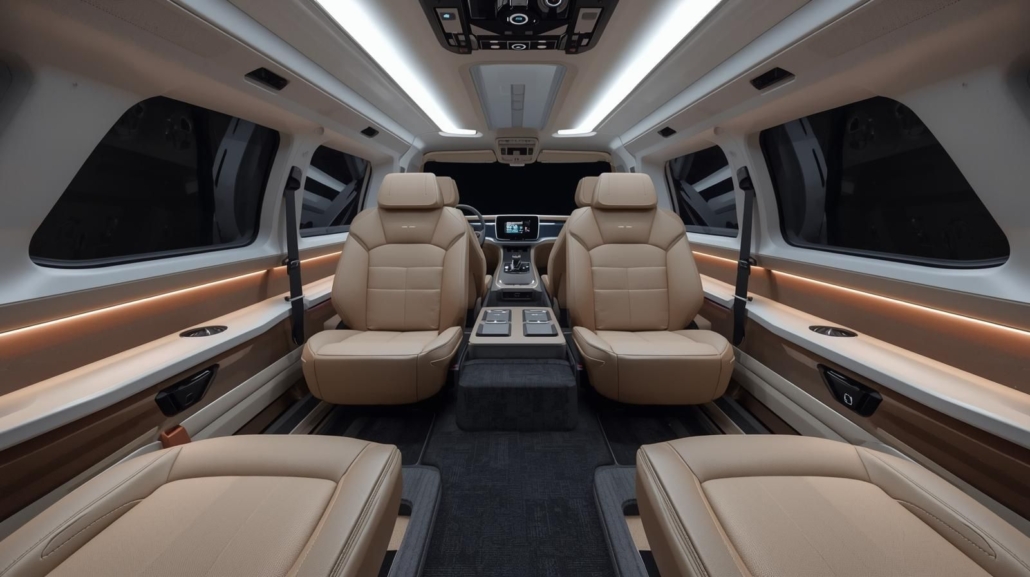
The vehicle itself is purpose-built for autonomous driving. It has no steering wheel, pedals, or traditional driver position. The interior is symmetrical, with four seats facing each other. Zoox is not adapting an existing production car; it is building a robotaxi in the strict sense of the term.
Why Las Vegas
Las Vegas remains one of the preferred cities for technology launches. Predictable weather, clearly structured infrastructure, and a high concentration of users within a compact area provide an ideal environment for public testing. The Strip offers repetitive routes, moderate speeds, and a constant flow of tourists who are generally open to trying new experiences.
For a robotaxi service, predictability and user density are genuine advantages.
Why the Rides Are Free
The lack of a fare is not a promotional campaign, but a necessary phase. Zoox needs:
- real-world traffic data in scenarios difficult to replicate in internal testing
- observations on user behaviour
- feedback on the in-vehicle experience
- time to complete all authorizations required for commercial operation
In Nevada, no pricing model has yet been announced, and in California the company does not currently hold all approvals required for paid rides. This intermediate phase allows Zoox to collect the data needed for technological validation.
How Zoox Differentiates Itself
The closest comparable competitor is Waymo, but the difference in approach is significant:
- Waymo modifies existing production vehicles.
- Zoox builds a dedicated autonomous vehicle.
Zoox’s approach allows full freedom in sensor placement, electrical architecture, safety redundancies, and vehicle dynamics, including symmetric manoeuvring and bidirectional driving. The challenge lies in cost and scalability: producing a dedicated robotaxi is more expensive and harder to scale than adapting mass-produced vehicles.
Current Limitations
The launch is important, but remains within a tightly controlled framework:
- operation limited to a small area
- rides offered free of charge
- a still limited fleet size
- regulatory frameworks still evolving
- wide variation in public trust
- increased scrutiny from authorities
This is an early market phase, not a mature one.
Why This Step Matters
Even with its current limitations, the launch has tangible significance:
- it demonstrates that robotaxis can transport ordinary passengers
- it provides regulators with real operational data
- it turns the robotaxi concept into an accessible service
- it establishes a cooperation model between operator and city
- it accelerates competition in autonomous mobility
What to Watch in 2025–2026
Zoox plans to expand public testing in San Francisco and has announced intentions to enter Austin and Miami. Each city will expose the technology to different traffic patterns and climatic conditions.
Key elements to monitor include:
- the introduction of pricing
- the pace of fleet expansion
- the extension of operational maps
- regulatory responses
- competitor reactions
More information is available at: https://zoox.com/
Conclusion
The Zoox launch in Las Vegas will not transform urban mobility overnight, but it marks an important threshold: the robotaxi becomes a service that the public can actually access. The next two years will be decisive. If Zoox succeeds in moving from controlled demonstration to large-scale commercial operation, the industry will enter a fundamentally new phase.

Disclaimer

Disclaimer
This material is an analytical editorial based on publicly available information at the time of writing. CarIntellect does not represent Zoox, Amazon, or any other companies mentioned and does not provide commercial evaluations of their activities. The content is intended for informational purposes only and does not constitute technical, financial, or legal advice. The interpretations reflect CarIntellect’s editorial perspective on developments in autonomous mobility.
- Mircea Lucescu. Despre rigoare, construcție și căutarea neobosită a perfecțiunii
- Criza energetică și viitorul mobilității
- Autonomia auto: între promisiune tehnologică și vulnerabilitate sistemică
- Poate un hacker să provoace un accident în masă într-un oraș autonom?
- Cum ar trebui omologate vehiculele autonome într-o eră a atacurilor cibernetice
Image Disclaimer
The images used in this article are digitally generated and serve illustrative purposes only. They do not depict actual Zoox vehicles and are not official images released by the company.


Lasă un răspuns
Want to join the discussion?Feel free to contribute!